SunLine's hydrogen bet: the transit agency that went all-in on fuel cells
The Thousand Palms-based agency has run hydrogen buses since the early 2000s and plans a zero-emission fleet by 2035. The math behind the bet is contested.
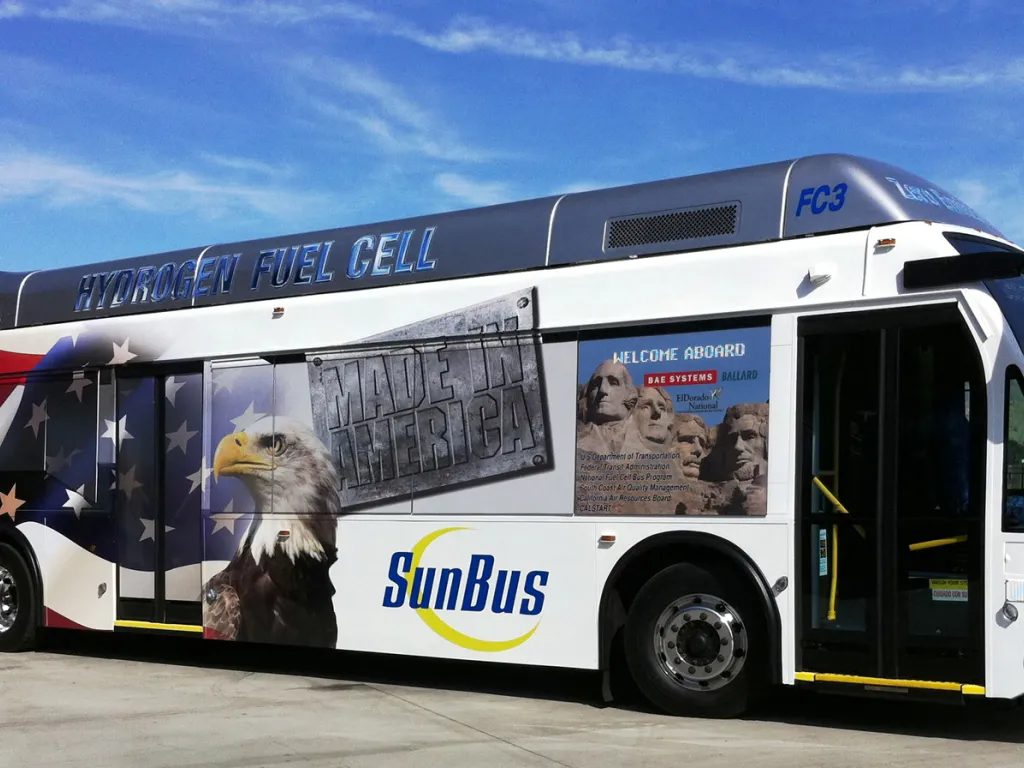
THOUSAND PALMS: SunLine Transit Agency, the bus system serving the Coachella Valley, has spent decades building one of the country's longest-running hydrogen fuel cell bus programs, and its planning documents commit the agency to a zero-emission fleet by 2035.
SunLine adopted an alternative-fuel policy in 1993 and pioneered fuel cell buses in transit service, operating from its Thousand Palms base. Its zero-emission bus rollout plan, updated in late 2025, lays out the path for converting its fleet. California's Innovative Clean Transit regulation requires the state's transit agencies to transition to zero-emission buses, and SunLine's documents show an agency that chose hydrogen early and is staying with it.

SunLine's hydrogen operations date to the early 2000s, when it began putting fuel cell buses into regular service. The agency has since built fueling infrastructure and run the buses as part of its fleet, making it a national reference point for hydrogen transit, with institutional knowledge few other agencies can match.
SunLine has operated hydrogen fuel cell buses longer than almost any transit agency in America.
The contested math
Not everyone is convinced the bet pencils out. A March 2026 CleanTechnica analysis argued that SunLine's hydrogen comes with high costs and questioned the real emissions profile of the fleet, distinguishing between hydrogen made from natural gas and hydrogen made with renewable energy. That analysis is the outlet's own read of the numbers, and readers should weigh it as one critical perspective rather than a settled verdict.
The distinction the analysis raises matters. Hydrogen's climate benefit depends on how it is produced. Hydrogen made from natural gas, the cheapest and most common method, carries a significant carbon footprint. Hydrogen made with renewable electricity is genuinely clean but far more expensive. The agency's own planning documents and state air regulators' reports provide the primary record.

SunLine's answer, in its planning documents, is that hydrogen's range and refueling speed suit its long desert routes, a claim the rollout plan's performance data will test as the 2035 target approaches.
What riders will notice
For valley bus riders, the technology debate is background. What matters is whether the buses run on time, the fares stay affordable, and the air gets cleaner. SunLine's rollout plan is the document that will determine all three.
None to date. The Tribune corrects errors promptly and transparently. Read our corrections policy.