Midcentury neighborhoods, a primer
How a handful of builders and architects turned the desert into a capital of American modernism, and how to read the houses they left behind.
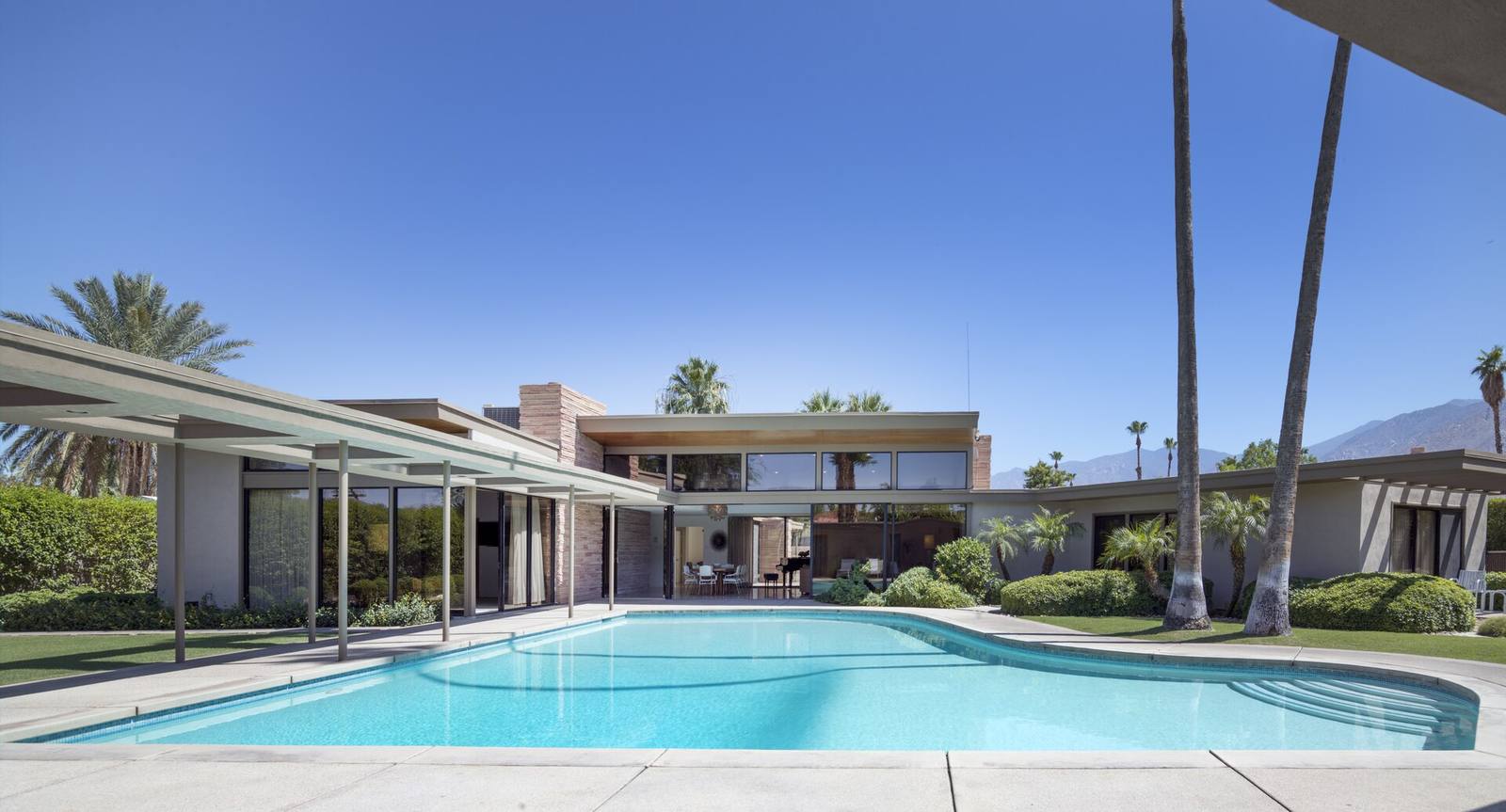
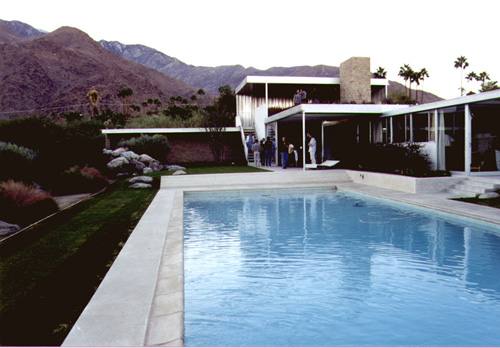
The desert's modernist story starts with one-off commissions and ends in whole neighborhoods. Richard Neutra's Kaufmann Desert House, designed and completed in 1946 and restored by Marmol Radziner during the 1990s, is the famous beginning: a glass pavilion tuned to the desert.
The production chapter belongs to Twin Palms, where developers George and Robert Alexander worked with architect William Krisel on 90 residences. The Alexanders were developers, building for the market rather than for a single client, and Krisel gave the tract the architect's eye.
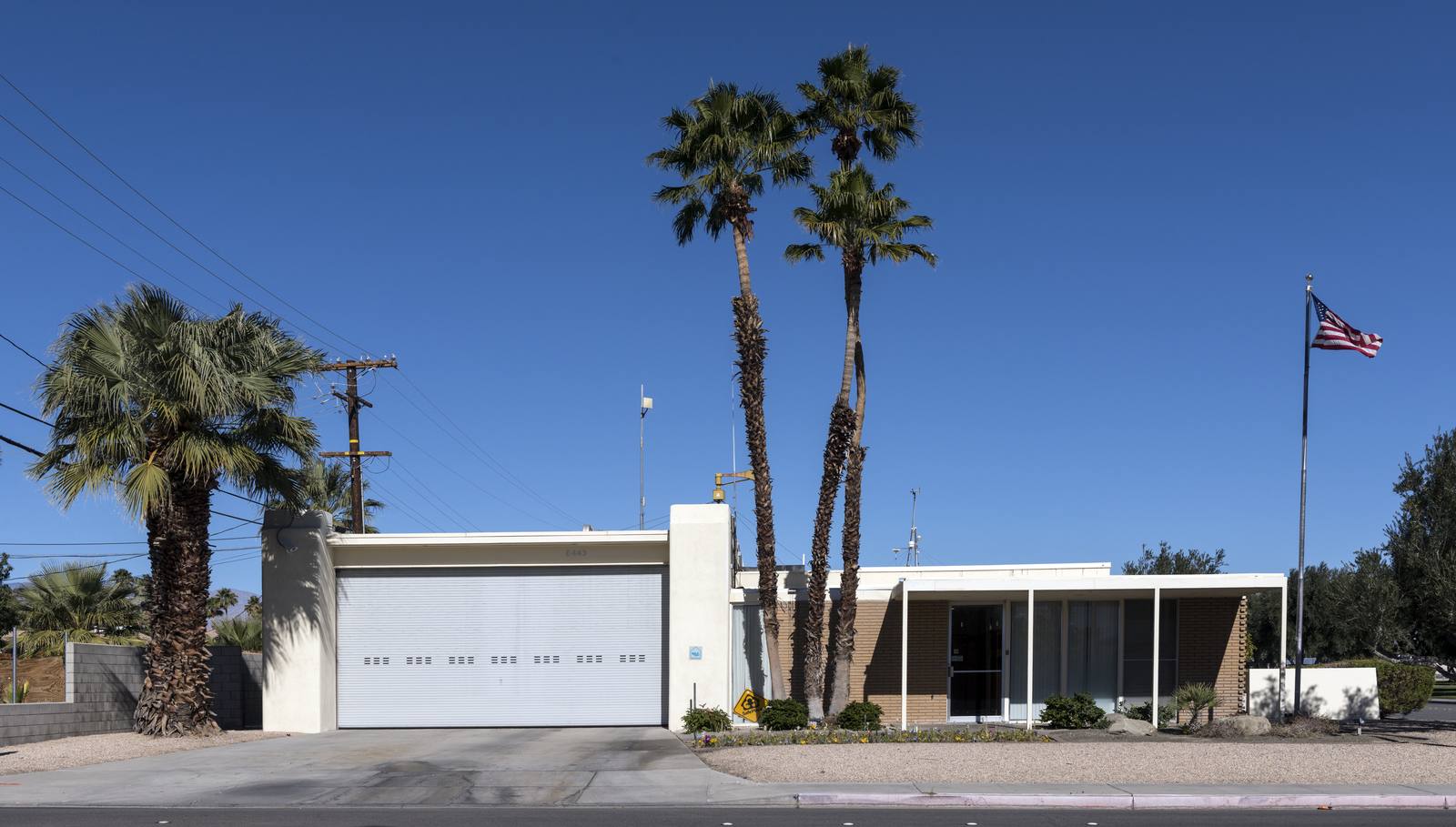
The houses share a vocabulary: open carports, clerestory windows, exposed concrete block, breezeways, and the butterfly roofs that became the neighborhood's signature.
Two plans, ninety houses
Krisel offered only two floor plans across the development. The variety came from everything around the plans: facades, rooflines, landscaping, colors, and the orientation of each house on its lot.
Set the tract houses against the one-offs and both read more clearly. Neutra's Kaufmann House of 1946 shows the desert's modernism at its most ambitious; the Alexander houses show what happened when the same language was built at scale.
How to look at a desert modern house
Use the neighborhood's own checklist: open carports, clerestory windows, exposed concrete block, breezeways, and butterfly roofs. Once you can spot the pieces, you can read which parts of the city were built in the boom and which came later.
None to date. The Post corrects errors promptly and transparently. Read our corrections policy.