Summer in the desert: how the city adapts
Cooling centers, an overnight shelter, and the 8,516-foot escape hatch: how Palm Springs gets through the hottest months.
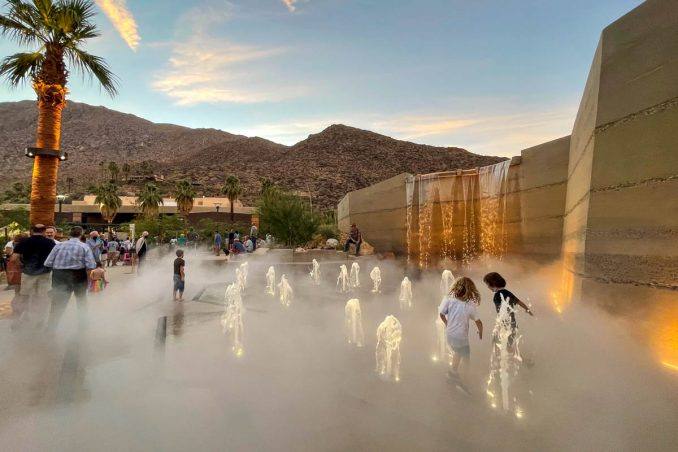
Summer in Palm Springs is not a season to endure; it is a season the city plans for. The public response starts with cool air made available to anyone who needs it.
The fastest relief is vertical. The Palm Springs Aerial Tramway runs from a valley station at 2,643 feet to a mountain station at 8,516 feet, a climb of 5,873 feet over about two and a half miles, in cars whose floors rotate once or twice during the ride.
Cool air as public infrastructure
Riverside County's Community Action Partnership coordinates daytime cooling centers with community organizations, giving residents somewhere to go during the hottest hours.
For the hottest nights, the county has supported an overnight cooling shelter in Palm Springs, operated with the city and a shelter operator.
The private adaptation
The private version of the same adaptation is the swimming pool. In a desert resort city, the pool is not an amenity; it is the afternoon.
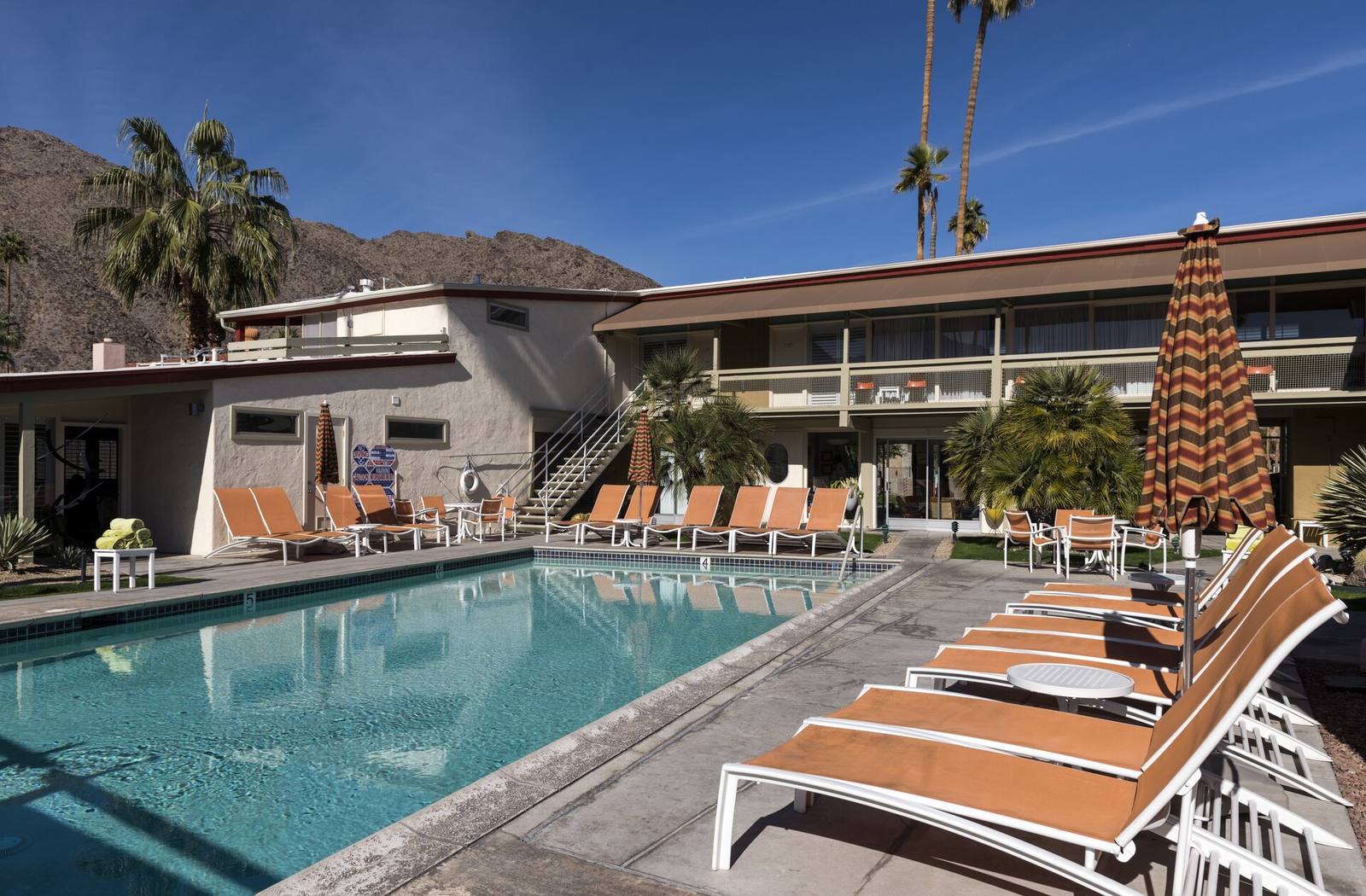
The pattern, public and private, is the same: respect the heat, find the cool air, and check on the neighbors.
None to date. The Post corrects errors promptly and transparently. Read our corrections policy.